Grocery guide
Wine pairing for grocery stores
A grocery shopper often enters the wine aisle with a meal in mind but no bottle selected. Food-first wine pairing turns that dinner plan into a guided choice using a shelf or aisle QR code and wines configured for the store experience.
For grocery category managers, store owners, regional chains, wine buyers, and beverage merchandisers.
Why do shoppers need help in the wine aisle?
A retail shelf presents many choices but little context. Labels may communicate producer, region, grape, or style without answering the shopper’s immediate question: what should I bring home for dinner?
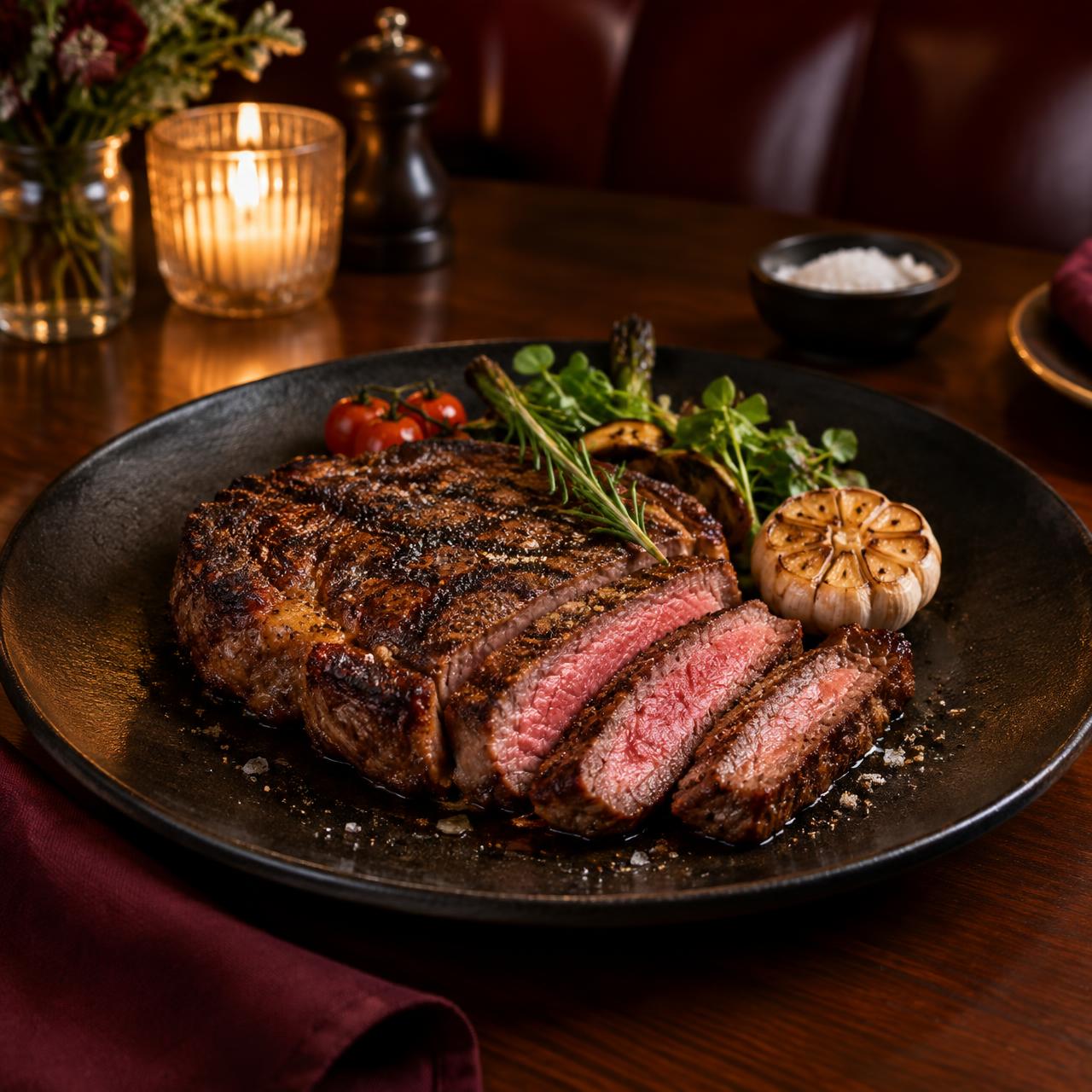
Food-first guidance starts with information the shopper already knows. Steak, salmon, chicken, sushi, barbecue, and other meal ideas create a practical path into the assortment.
How does food-first pairing work in retail?
- The shopper starts with the meal or food category.
- The experience asks for useful style or shopping preferences.
- Configured store choices are evaluated for fit.
- The shopper receives clear options with a reason each one matches.
- The bottle choice stays connected to what is available in that retail experience when inventory is configured or maintained.
How do shelf QR codes support the experience?
A shelf, aisle, or endcap QR code opens the mobile experience without requiring a consumer app download. The sign should explain the benefit before the scan—for example, starting with dinner and finding a bottle—rather than presenting an unexplained code.
The code can serve a single store, pilot group, or configured retail experience. Placement and printed language should make the next step obvious on a phone.
What does inventory-aware mean?
Inventory-aware recommendations use the products configured as available for the relevant store or program. A pilot can begin with manually maintained inventory; broader inventory feeds can be connected when the retailer is ready and the integration scope is defined.
If availability is not current, the experience should not imply real-time stock. Retail teams need a clear maintenance process appropriate to the pilot.
How can promotions and staff picks be included responsibly?
A promoted bottle, featured pick, value option, region, or organic preference can influence the result when configured. The merchandising rule should not erase pairing fit. A featured item belongs in the result only when it remains appropriate for the shopper’s stated meal and preferences.
What can store teams learn from shopper searches?
Search and selection patterns can show what shoppers ask for: meals, styles, regions, price ranges, and preferences represented in the configured experience. Those signals can help teams frame future merchandising questions, but they should be interpreted alongside sales, availability, seasonality, and store context—not treated as proof by themselves.
How should a grocery wine-pairing pilot begin?
- Choose one store or a small group with a clear owner for the pilot.
- Define the food occasions and wine inventory to include.
- Decide how availability will be maintained.
- Place signs where shoppers make wine decisions.
- Review shopper searches and recommendation behavior before expanding.
- Set pilot timing from the actual branding, inventory, location, and integration scope.